Marion HughesFoundationDonate
Autism advocacy · South Africa

Who will be there when we no longer can?

Every family deserves an answer to that question, whatever our race, wherever we live and however little we can afford. My brother Brandon’s love of washing gave us an idea for a home where autistic adults can live with support and earn a fair wage doing work they enjoy. Our goal is for the laundry business to help pay for the home, so a place there is within reach for families on the tightest budgets.

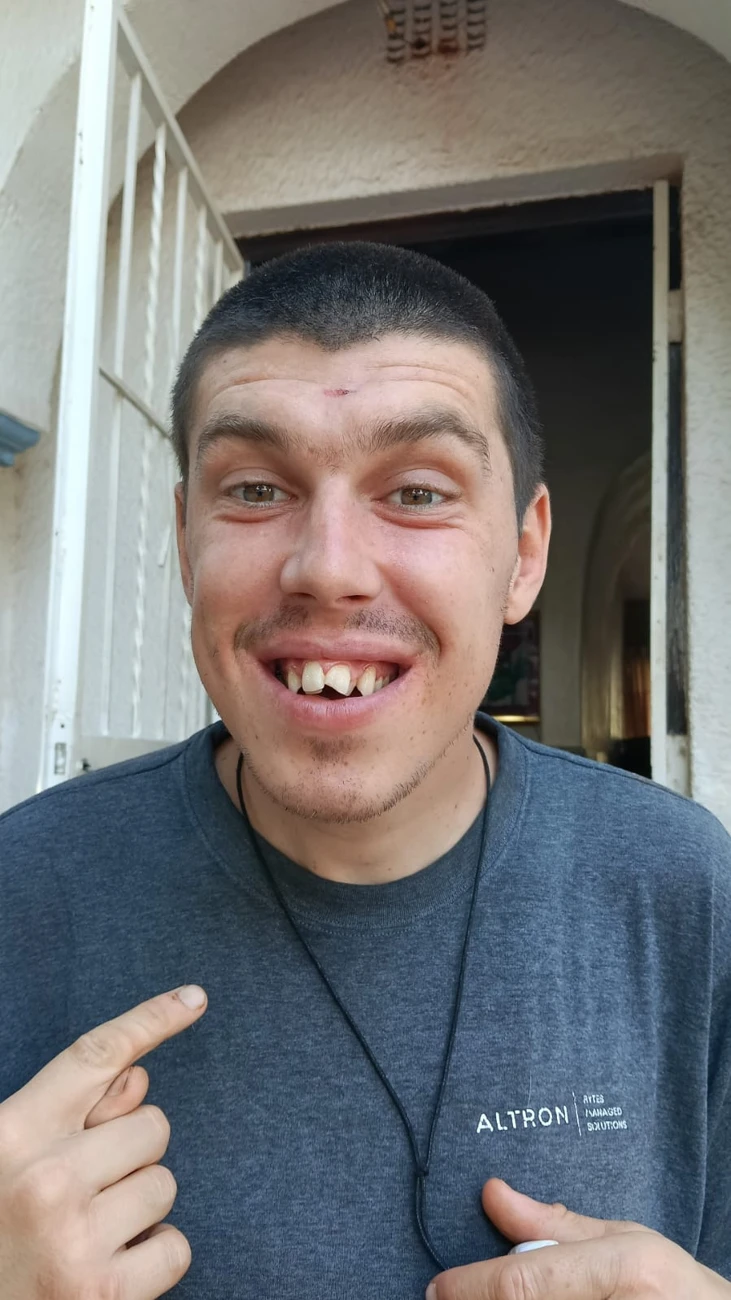
Brandon smiling and pointing towards himself
Brandon the inspiration for our first home
Our manifesto

Every autistic adult deserves a place to call home and a say in the life they lead.

Our mission is to create sustainable supported homes in South Africa where autistic adults can feel safe, build relationships and shape their days around what matters to them.

Listen first.

The person who lives in a home should help shape it. A gesture, a familiar routine, a request for quiet or a decision to leave an activity can all tell us something important. We will make room for people to communicate in their own ways.

Protect the ordinary things.

A bedroom door that closes. Time with a sibling. A favourite job left for you to do. These small freedoms belong in the design of a home just as much as staff rotas and accessible bathrooms.

Plan beyond one lifetime.

Families hold years of knowledge about the people they love. We want that knowledge to travel with each resident and reach the person on the next shift, including long after a parent can pass it on.

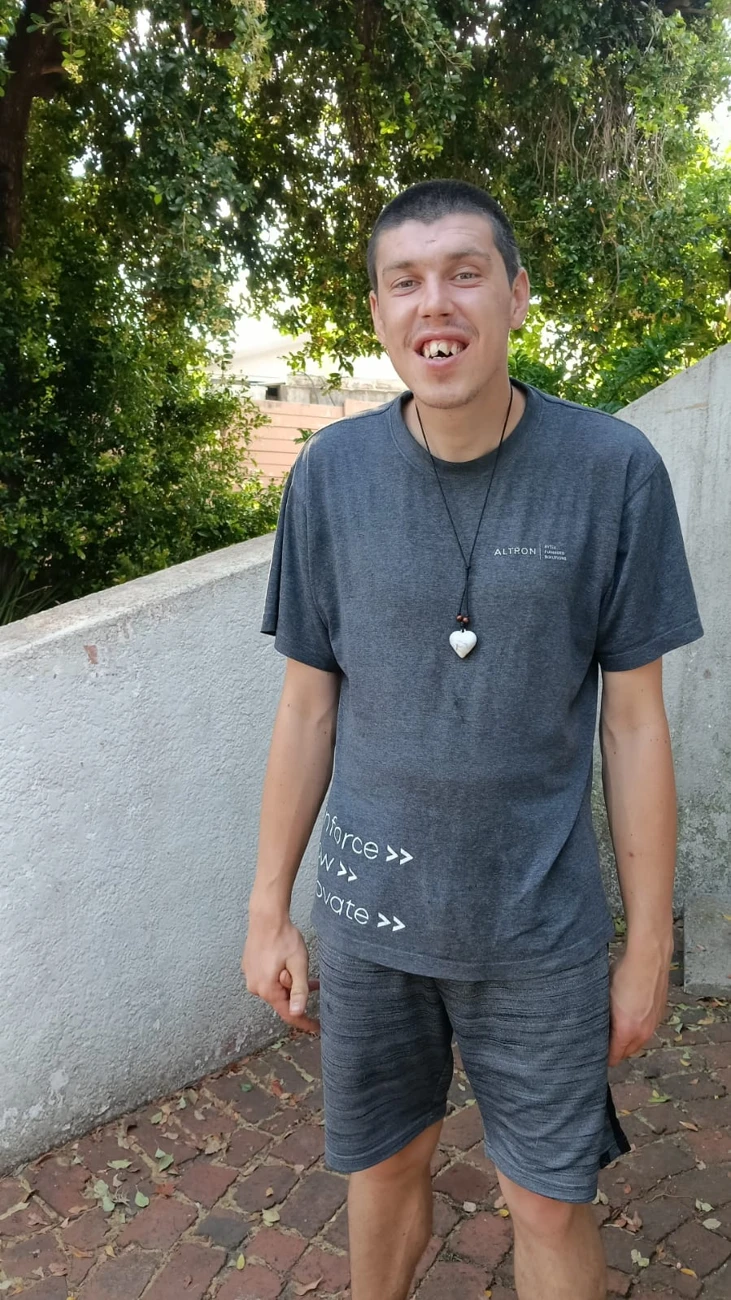
Brandon standing outside under leafy trees
Our story

It started with
a load of washing.

Give Brandon a load of washing and you’ve given him something he looks forward to. He loves the spinning drum, the repetition and seeing the job through.

Brandon needs support with things like preparing meals. As his sister, I keep coming back to one question. When our family can no longer provide that support, who will know him well enough to leave the washing for him?

When we were children, even a cake mixer could capture Brandon’s attention. Today he can shower himself, and he has strong opinions about when the washing should be done. He needs someone he trusts to help with a written instruction, a meal or money. Knowing which things to help with and which things to leave in his hands is part of knowing my brother.

Our family has searched for lasting care in Gauteng. Asking whether a place has a bed is the easy part. The harder questions are about an ordinary Tuesday. Who will notice when Brandon feels overwhelmed? Who will remember what he enjoys? And who will still be asking those questions when our mother and I are gone?

That is where Brandon’s Home began. We want to build a place where the people who support him know what makes a good day for him. We want other families to have that possibility too.

Tanita · Brandon’s sister
Our vision

What life at Brandon’s Home could look like.

A familiar home

A small supported-living home in Gauteng, with familiar routines, quiet spaces and support shaped around each resident.

Work with meaning

For someone who shares Brandon’s love of washing, a supported laundry programme could offer purposeful work. Each resident would choose activities that fit their interests and abilities.

Continuity of care

A team that learns each person’s preferences alongside their family and plans for the years when relatives can no longer provide daily care.

Our goals

What we want the first home to make possible.

A place to stay as life changes

Start with one small home in Gauteng. Compare a leased house, a donated property and a purchase against the needs of the people who would live there. Look for private bedrooms, shared space, a quiet retreat, accessible outdoor areas and reliable access to local services.

Support from people who know you

Plan for skilled staff on duty by day and overnight, with cover for illness and leave. Each resident would help build a personal support plan describing how they communicate, what feels safe, who they want involved and what a good day looks like.

A choice about how to spend the day

Explore laundry alongside gardening, art, bicycle maintenance, visits and downtime. In a future laundry pilot, one person might enjoy sorting towels and another might choose to fold them. Any paid work would need safe equipment, supervision and fair terms. Everyone’s housing would be secure regardless of participation.

A future families can rely on

Cost a full year of staffing, food, transport, maintenance and utilities alongside the cost of a property. Test whether the home can keep operating through a funding gap before making a commitment to a resident or family.

The roadmap

One home to begin.

Brandon’s Home is in the planning stage. Our first goal is a sustainable pilot in Gauteng.

  1. Now · Organising

    Lay the foundations

    Build the founding team, prepare registration and raise early support through Project Brandon.

  2. Next · Feasibility

    Plan the first home

    Assess properties, listen to families and autistic adults, and cost the staffing, supervision and ongoing care the home would need.

  3. Longer term · Our ambition

    Learn, then grow

    Open the pilot once funding, safeguards and approvals are in place. Ask residents whether they feel safe, can choose their activities and know whom to approach when something is wrong. Review family feedback, staffing continuity and running costs. Our long-term ambition is a home in each province, guided by what the first residents teach us.

For families, donors and partners

The questions behind the plan.

Why focus on adulthood?

Leaving school can mean losing familiar routines and trusted people all at once. A family may spend years piecing together transport, activities and care, then face the same search again as parents grow older. Autism touches families across racial, cultural and national boundaries. Brandon’s Home starts with one South African family’s experience and invites other families to help design a local response.

Where does the foundation stand today?

Tanita and her mother are developing the initiative and seeking a third, independent director. The founding documents are in preparation. The family is raising support through Project Brandon on BackaBuddy. The house, resident capacity, opening date and operating budget are still to be decided. There are no places available for admission at this stage.

What would accountability look like?

The founding plan calls for independent oversight, recorded decisions and separate approval of spending. Decisions affecting the founding family should receive independent review. Donors can follow the live campaign for its stated purpose and progress. As the pilot is costed, our aim is to distinguish one-off setup needs from the recurring cost of keeping the home staffed.

How could a business or university contribute?

A property partner could help assess a house. An accountant could help cost overnight cover. A local laundry could advise on equipment and whether there is demand from guesthouses. Universities could explore supervised placements in social work, psychology, psychiatry or special-needs education. Any placement would need a named professional supervisor, clear responsibilities and resident consent. Core care would be the responsibility of trained staff.

How can supporters outside South Africa help?

Share the campaign with disability advocates, philanthropists or supported-living providers in your network. We welcome introductions to people who have kept small homes running over many years and can share what they learned about staff continuity, resident choice and long-term funding.
Get involved

Help bring the first home closer.

Make a donation

Support Project Brandon on BackaBuddy, where you can see the campaign and its progress.

Donate on BackaBuddy ↗

Offer a partnership

Have property expertise, supported-living experience or sponsorship to offer? Tell us how you’d like to help.

Email the foundation ↗

Share Brandon’s story

Send the campaign to someone who could help, or introduce us to a journalist or community group.

Share by email ↗